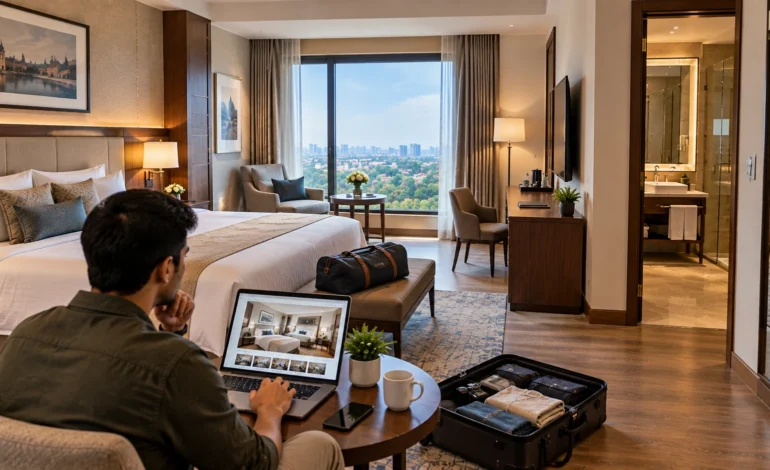

Standard, Deluxe, Superior, Junior Suite — hotel booking sites throw a lot of terms at you, and they don’t always mean the same thing from one property to the next. Understanding the different types of hotel rooms before you book helps you avoid paying for space or amenities you don’t actually need, or worse, ending up with less room than you expected. Here’s a clear breakdown.
Quick Facts
| Detail | Information |
| Main Categories | By quality tier, by bed count, by layout |
| Most Common Tier | Standard, Superior, Deluxe, Suite |
| Best For Families | Suites, Family Rooms, Duplex rooms |
| Best For Solo/Budget | Standard or Economy rooms |
Room Types by Quality Tier
This is the classification most hotels use, and it’s the one you’ll see most often when comparing prices.
| Room Type | What You Get | Best For |
| Standard / Economy | Basic bed, private bathroom, TV, desk | Budget travelers, short stays |
| Superior | Better location in hotel, modest upgrades | Slightly more comfort, similar price |
| Deluxe | More space, upgraded furnishings, better views | Comfort without full suite pricing |
| Junior Suite | Combined living/sleeping area, sofa bed | Small groups, couples wanting extra space |
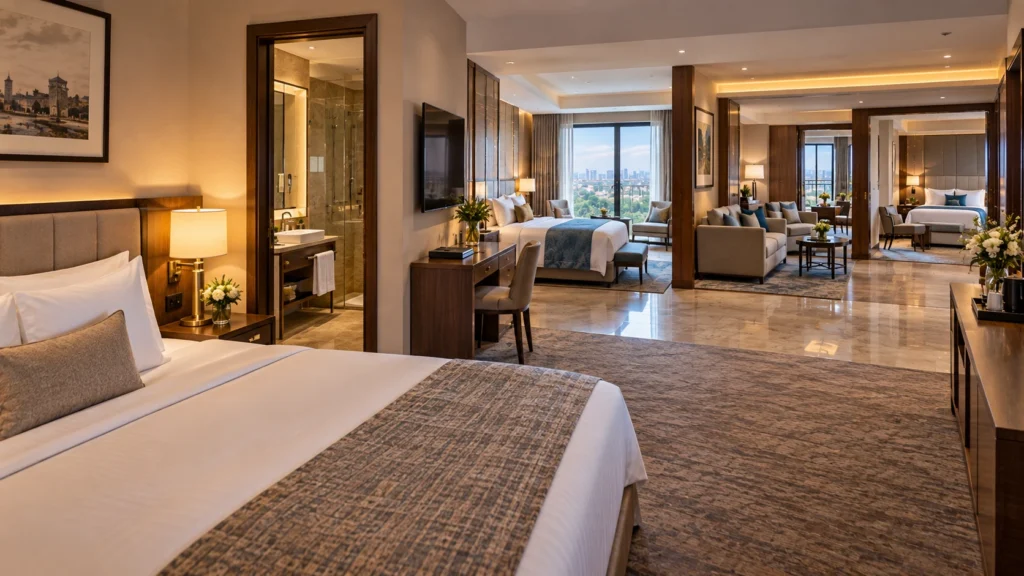
| Suite | Separate bedroom and living area | Families, business travelers, longer stays |
| Presidential / Penthouse Suite | Maximum luxury, top floor, premium views | Special occasions, high-end travel |
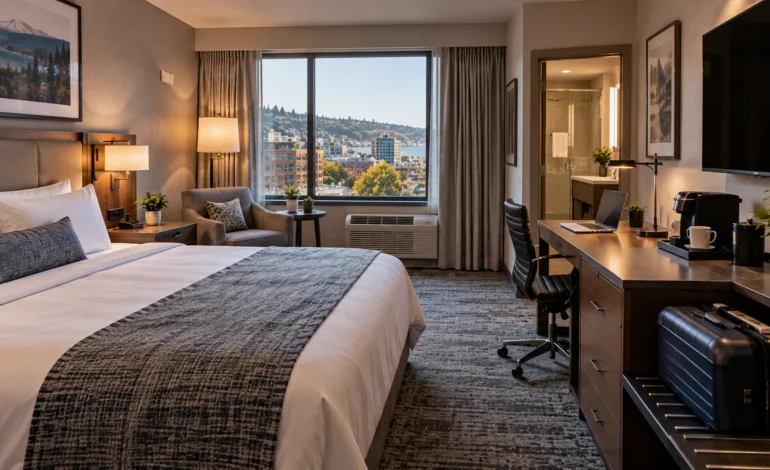
Standard rooms are the baseline at almost every hotel — a comfortable bed, private bathroom, and the basics like Wi-Fi and a TV, without extra frills. Deluxe rooms step things up with more space and better furnishings, and often come with a better view or floor placement than standard rooms in the same hotel. Suites are where things change meaningfully, offering a genuinely separate living area rather than just a bigger bedroom, which matters a lot if you’re traveling with family or need space to work.
Room Types by Layout
Beyond the quality tier, hotel rooms also differ by how the actual space is arranged.
| Layout Type | Description | Good For |
| Studio Room | Combined bedroom/living space, often with kitchenette | Budget travelers, extended stays |
| Duplex | Two floors connected by internal stairs | Business travelers, families wanting separation |
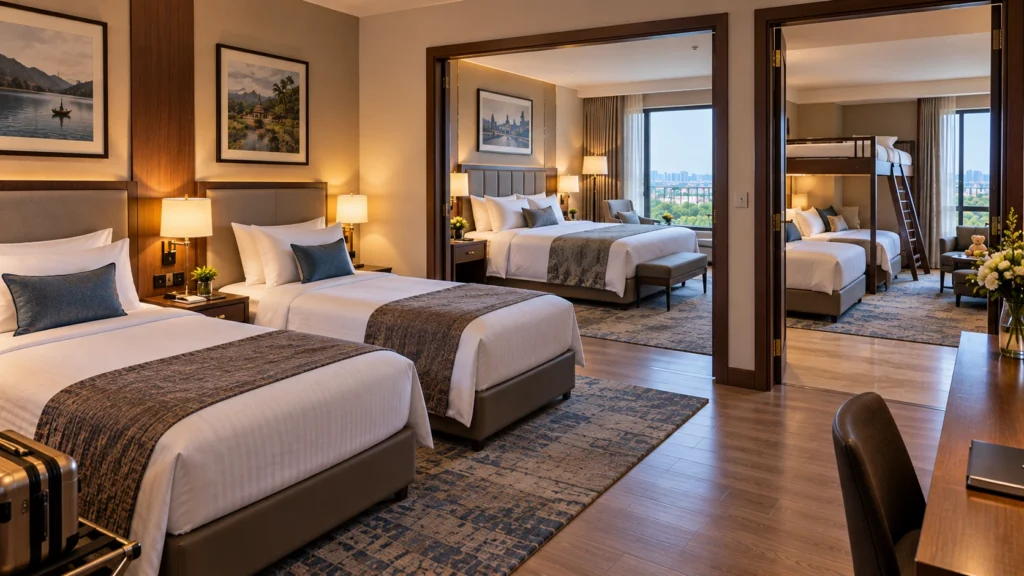
| Connecting Rooms | Two rooms joined by an interior door | Families, groups traveling together |
| Rooms with a View | Standard layout, premium outlook (sea, mountain, city) | Travelers prioritizing scenery |
A studio room works like a small furnished apartment, combining the bedroom and living space into one area, often with a convertible sofa bed and a small kitchenette. A duplex takes the opposite approach, splitting the suite across two floors connected by an internal staircase — genuinely useful for business travelers who want separate space for meetings and sleeping. Connecting rooms solve a different problem entirely, letting families or groups book two separate rooms with a shared door between them rather than cramming everyone into one space.
Room Types by Bed Configuration
The number and type of beds is the other major factor that shapes which room fits your trip.
| Configuration | Description |
| Single Room (SGL) | One single bed, for solo travelers |
| Double Room (DBL) | One large bed (double, queen, or king) |
| Twin Room | Two separate single beds |
| Double-Double | Two double or queen beds |
| Triple Room | Three beds or a bed plus a rollaway/sofa bed |
| Family Room | Multiple beds or bed types for larger groups |
Twin rooms and double rooms often get confused, but the difference matters — a twin room means two separate beds, while a double room means one larger bed meant for two people. This distinction trips up plenty of travelers booking internationally, since terminology isn’t always consistent across booking platforms.
How to Pick the Right Room Type
Start with who’s traveling and for how long. Solo travelers or couples on a short trip rarely need more than a standard or deluxe room. Families or anyone staying more than a few nights usually get better value from a suite or connecting rooms, since the extra space and layout options pay off over a longer stay. Business travelers juggling meetings and downtime often lean toward duplex suites or junior suites specifically for the separate living space. Working through the different types of hotel rooms available at a property before booking, rather than defaulting to whatever shows up first in search results, usually gets you better value for what you’re actually paying.
Quick Answers
Deluxe rooms are larger with upgraded furnishings and often better views; standard rooms cover the basics at a lower price.
A smaller version of a full suite, usually combining living and sleeping areas rather than separating them completely.
A twin room has two separate beds; a double room has one larger bed meant for two people.
No — connecting rooms are two separate rooms joined by a door, while a suite is one unit with multiple areas inside it.
Suites, family rooms, or connecting rooms typically offer the most practical setup for families.
Before You Book
Always check what a specific room name means at that particular hotel, since “Deluxe” or “Superior” doesn’t mean the same thing everywhere. Look at square footage and photos rather than relying on the category name alone. And if you’re traveling with a group, ask directly about connecting rooms rather than assuming a “Family Room” listing includes them. Learning the different types of hotel rooms once means you’ll spend less time confused every time you book a new property.