
Mexico City is too large for the “wake up and see what happens” plan. That does not mean every hour needs a booking. It means a museum in Chapultepec, lunch in Coyoacán and sunset at Teotihuacán do not belong in one cheerful little walking route.
The city rewards people who think in neighbourhoods. Give one part of town a proper half-day, leave room for traffic, and do not judge the altitude on your first staircase. These Mexico City travel tips and recommendations are built around the questions that matter once the plane lands: Where should I stay? How do I get around? How far apart are the sights? And how much is too much for day one?
The Five Answers Most First-Time Visitors Need
Four or five days gives a new visitor enough time for the historic centre, Chapultepec, one or two food-focused neighbourhoods and a slower day in Coyoacán or Xochimilco. Three days can work, but choices will be necessary.
Here is the short version before we get into the useful detail.
| Question | Practical answer |
|---|---|
| How long should I stay? | Four or five days is comfortable for a first visit |
| Where should I stay? | Roma Norte, Condesa, Reforma/Juárez or Polanco are common first bases |
| How should I plan each day? | Keep nearby sights together |
| How do I leave the airport? | Use an official taxi counter or an authorised app pickup |
| Why do I feel tired? | The city sits about 2,240 metres above sea level |
The altitude does not trouble everyone. Still, if the first afternoon feels strangely heavy, it may not be jet lag or laziness. Drink water, eat normally and avoid turning arrival day into a personal endurance test.
Pick a Neighbourhood You Will Enjoy at 9 p.m.
A hotel can look “central” on a map and still be inconvenient for the trip you want. Start with evenings. Would you rather walk to dinner, stay close to museums or return to a quieter street after a long day?
No area wins every category. These are trade-offs, not rankings.
| Area | Good choice for | The catch |
|---|---|---|
| Roma Norte | Restaurants, cafés and a first visit | Popular streets can be noisy |
| Condesa | Parks and relaxed evening walks | Attractive locations often cost more |
| Reforma/Juárez | Central transport and city access | Large roads add noise and crossing time |
| Polanco | Upscale hotels and Chapultepec | Less handy for some historic sights |
| Centro Histórico | Landmark-heavy days | Atmosphere changes quickly by block after dark |
| Coyoacán | Plazas and a residential feel | Many central sights require longer journeys |
Open the hotel address on a map and look one or two blocks in every direction. Check the nearest metro or Metrobús station, recent guest comments about noise and the walk from evening restaurants. The neighbourhood name printed in a listing may cover a surprisingly wide area.
Staying in Centro Histórico can be brilliant for an early start at the Zócalo. It is not automatically the best choice for someone planning late dinners in Roma. Likewise, Coyoacán is lovely, but a daily cross-city commute may wear thin.
Build Days by Area, Not by Fame
The biggest planning mistake is picking the five most famous attractions and then finding out they sit on opposite sides of the city. Put the map before the wish list.
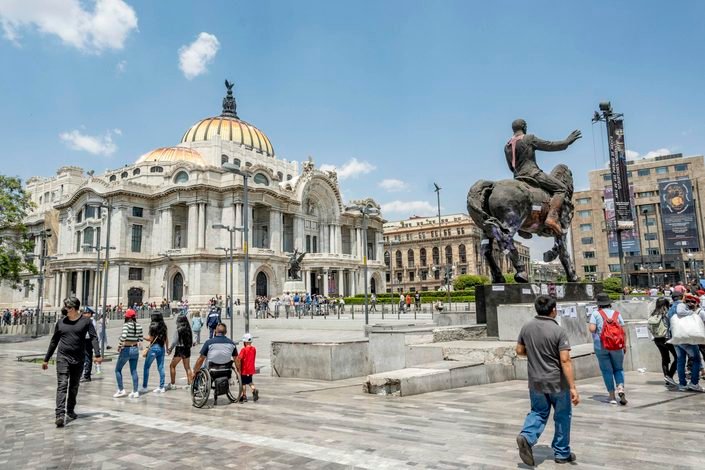
Historic-centre sights—Zócalo, the Metropolitan Cathedral, Templo Mayor and Palacio de Bellas Artes—fit naturally together. Chapultepec Castle and the National Museum of Anthropology make another full area. Roma and Condesa share an easy food-and-park day. Coyoacán deserves its own half-day or more.
Teotihuacán is outside the city and needs a separate plan. Xochimilco also takes time to reach. Trying to squeeze either into a leftover afternoon often means enjoying the back seat of a car more than the destination.
A Four-Day Plan With Breathing Room
This is not a checklist to race through. It is a shape for the trip, with nearby places grouped together and evenings left flexible.
Book only the attractions that genuinely require a time slot. Let meals and neighbourhood walks fill the gaps.
| Day | Main area | A sensible pace |
|---|---|---|
| 1 | Centro Histórico | Zócalo, Templo Mayor area and Bellas Artes |
| 2 | Chapultepec | Castle or Anthropology Museum, then the park |
| 3 | Roma and Condesa | Markets, cafés, parks and an unhurried dinner |
| 4 | Coyoacán or Xochimilco | Choose one main outing, not both at speed |
For five days, add Teotihuacán or keep one open day for a museum, shopping and whatever you heard about over dinner. A completely full itinerary leaves no room for the place that becomes your favourite by accident.
Transport: Choose the Tool for the Moment
The Metro is extensive and inexpensive. Metrobús routes are useful along major roads, and registered ride apps help when the journey is late, involves luggage or ends far from a station. Walking is best inside a neighbourhood, not as proof that two map pins “look close.”
Public transport can be crowded. Keep the phone and wallet secure, avoid displaying valuables and know the name of the station where you will get off. During the busiest hours, a short distance can still feel tiring.
Traffic is the city’s great schedule breaker. A road journey that looks short may double at the wrong hour. If a museum ticket has a fixed entry time, do not schedule lunch across town immediately beforehand.
From the airport, follow official signs. Use the authorised taxi counters or the designated app pickup instructions in effect at your terminal. Ignore a stranger who intercepts you in arrivals with an unusually easy deal.
How Far Apart Are the Places?
Road time changes with traffic, rain and the time of day. The figures below are planning estimates from the historic-centre area, not promises from a taxi driver.
Check the route again on the day. A short number of miles does not always mean a short Mexico City journey.
| Destination | Approx. distance from Centro Histórico | Possible road time |
|---|---|---|
| Chapultepec Park | 4 miles / 6 km | 20–45 minutes |
| Mexico City Airport | 5 miles / 8 km | 20–45 minutes |
| Coyoacán | 7 miles / 11 km | 30–60 minutes |
| Xochimilco | 15 miles / 24 km | 50–90 minutes |
| Teotihuacán | 30 miles / 48 km | 60–90 minutes |
| Felipe Ángeles Airport | 28 miles / 45 km | 60–120 minutes |
If your return flight leaves in the morning, ask the hotel about realistic departure time—not the best-case estimate shown late at night. Also confirm which airport is on the ticket. Mexico City’s airport codes matter.
Food: Plan Less, Check More
Mexico City is a terrible place to eat only at restaurants recommended months in advance. Book one or two special meals, sure. Then leave gaps for a bakery that smells good, a busy taquería or a market stall with a steady local queue.
For street food, look for clean handling, high turnover and food cooked hot. If your stomach is sensitive, begin gently instead of testing every salsa on the first afternoon. Most visitors use sealed or properly filtered water; ask the accommodation what is provided.
Carry some pesos for markets and small businesses, plus a card for larger payments. Keep them in separate places. When a card terminal asks about conversion, understand the exchange rate before accepting anything.
Meal times can run later than some visitors expect. That is useful: a small snack can rescue the hour between a museum closing and dinner beginning.
The Altitude Changes the First Day
At roughly 2,240 metres, Mexico City is high enough for some newcomers to notice headache, breathlessness or unusual tiredness. The excitement of arrival can hide it until the first long hill.
Drink water during the flight and after landing. Walk rather than sprint up stairs. Go easy on alcohol the first night. A calm meal and early sleep is not “wasting” a day; it may save the next two.
Severe or worsening symptoms deserve medical advice. Altitude is not a reason to dismiss feeling genuinely unwell.
Safety Without Turning the Trip Into Fear
Use the habits you would use in any very large city. Keep the phone away near busy roads, watch bags in crowded transport and use a known ride option late at night. Ask hotel staff which nearby streets make sense after dark; conditions can change block by block.
Do not carry every card and all cash in one wallet. Save the accommodation address offline. If a ride app is used, check the plate and driver details before entering.
Protests and large events can close central roads with little notice. Walk away from crowds that are becoming tense, and keep enough time for a different route. For current advice, check official government and local sources before and during the trip.
Museum and Reservation Reality
Popular museums may close one day each week, often Monday, but schedules can change. The Frida Kahlo Museum is a classic example of a place where an advance ticket matters. Transport to Teotihuacán, or a local person who can show you around, also deserves early thought.
Do not reserve three timed attractions on the same day. Security lines, traffic and the attraction itself may take longer than expected. One anchor booking per half-day is a much calmer rule.
Download tickets before leaving Wi-Fi. Screenshots are useful, but keep the original confirmation too in case staff need the booking number.
Small Choices That Improve the Trip
Learn a few Spanish phrases: greetings, numbers, “please,” “thank you” and a simple request for the bill. Perfect grammar is not required. The effort makes ordinary moments warmer and easier.
Carry a light layer. Cool mornings, rain and air-conditioned museums can all surprise someone who packed only for bright afternoon sun. Comfortable shoes matter more than a fashionable pair you cannot wear on uneven pavement.
Finally, do not cross the city for every famous food recommendation. The “best taco” is not the best taco if it comes with 90 minutes of traffic and an argument about being late for a museum.
Frequently Asked Questions
Four or five days is a good first visit. Three days works if you focus on two or three areas.
Individual neighbourhoods are very walkable. The entire city is not; public transport or rides are needed between distant areas.
It depends on your weather and crowd preference. Check normal seasonal conditions, festivals and current forecasts before booking.
You can manage many tourist situations without fluency, but a few polite phrases and offline translation help a great deal.
One Last Mexico City Check
The most useful Mexico City travel tips and recommendations are about time, not ticking boxes. Stay somewhere that suits your evenings. Keep each day in one part of town. Let altitude and traffic have a vote.
Mexico City is big. That is the appeal. Give it enough room to feel like a city rather than a list you failed to finish.